


-

Add: HeBei ShengShi HongBang Cellulose Technology CO.,LTD.
-

Email
13180486930@163.com -

CONTACT US
+86 13180486930
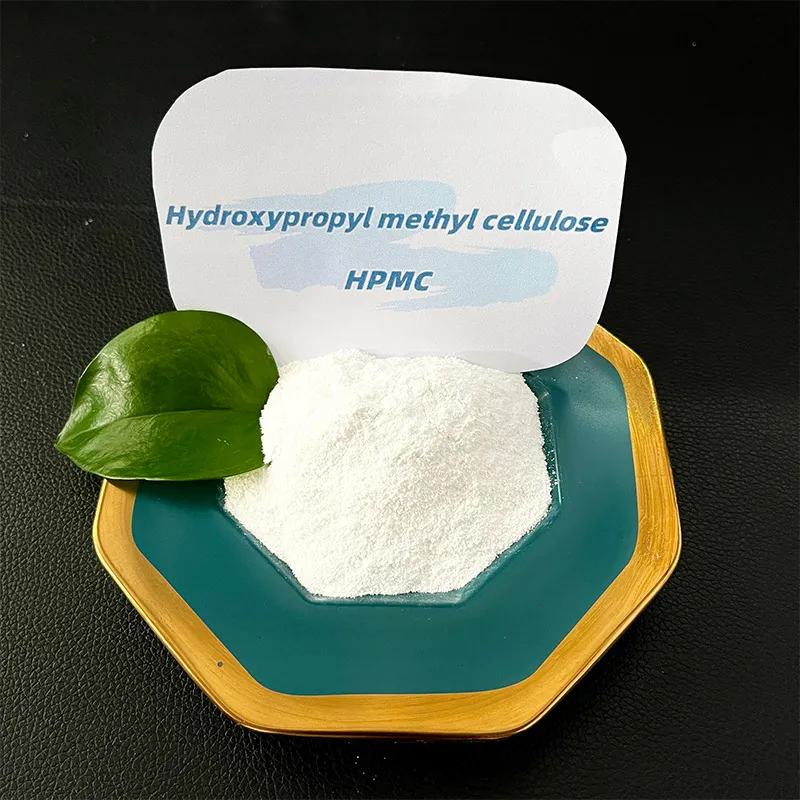
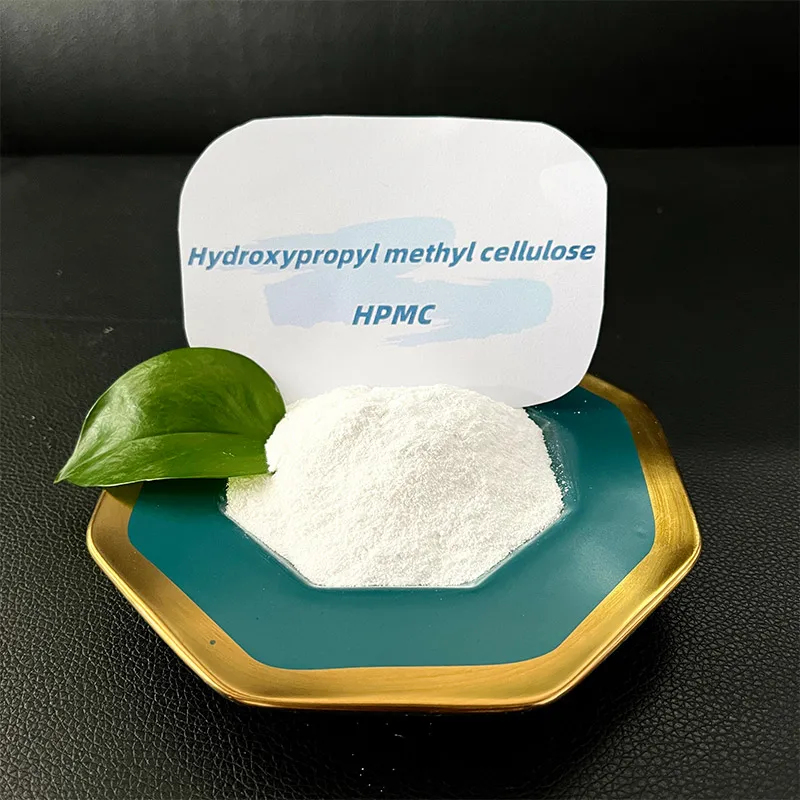


Cracking is a persistent challenge in cementitious products, undermining structural integrity and durability. Fortunately, hydroxypropyl methyl cellulose (HPMC) has emerged as a game-changing additive, effectively mitigating this issue. Hydroxypropyl methyl cellulose hpmc and hydroxypropyl methylcellulose variants enhance the performance of cement mixes, making them more resilient to cracks caused by shrinkage, temperature changes, or stress. Hebei ShengShi HongBang Cellulose Technology CO.,LTD, a professional HPMC manufacturer with over 20 years of experience, located in Hebei Province’s Xinji clean chemical industry park with excellent transportation links, specializes in producing high-quality hydroxypropyl methyl cellulose using advanced German technology. Their daily production capacity of 80–100 tons and export reach to over 30 countries make them a reliable partner for wholesalers serving the construction industry. This article explores how HPMC reduces cracking in cementitious products, highlighting its benefits and applications. Role of Hydroxypropyl Methyl Cellulose in Cement Mixes Water Retention Enhancement: Hydroxypropyl methyl cellulose acts as a powerful water-retention agent in cementitious mixes. By slowing down the evaporation of water, it ensures the cement has sufficient time to hydrate fully. Incomplete hydration is a major cause of shrinkage cracking, so proper water retention helps the mixture cure evenly, reducing internal stresses. Wholesalers can emphasize that this property is especially valuable in hot or windy environments, where rapid water loss is common. Improved Workability: Adding hydroxypropyl methyl cellulose to cement mixes enhances their plasticity and workability. This allows for easier pouring, spreading, and finishing without the mix drying out too quickly. A more workable mix reduces the need for excessive water addition (which can weaken the cement and increase shrinkage), thereby lowering the risk of cracking. Hebei ShengShi HongBang’s HPMC products are formulated to balance workability with strength, catering to diverse construction needs. Film-Forming for Cohesion: Hydroxypropyl methyl cellulose forms a thin, flexible film within the cement matrix as the mix cures. This film acts as a bridge between particles, improving the material’s cohesion and tensile strength. Enhanced tensile strength helps the cement resist cracking when subjected to external forces, such as structural loads or ground movement. Mechanisms of Hydroxypropyl Methylcellulose in Cracking Reduction Shrinkage Control: Cementitious products often crack due to plastic shrinkage (during setting) or drying shrinkage (after curing). Hydroxypropyl methylcellulose minimizes these effects by regulating water distribution. It reduces the rate of volume loss as water evaporates, preventing the formation of microcracks that can expand over time. This is crucial for large-scale applications like concrete slabs or walls, where shrinkage-related cracks are most problematic. Air Entrainment Regulation: Hydroxypropyl methylcellulose can help stabilize air bubbles in cement mixes, though to a lesser extent than dedicated air-entraining agents. These tiny bubbles act as buffers, absorbing stress from temperature changes or freeze-thaw cycles. By reducing internal pressure, they lower the likelihood of cracking in harsh climates. Hebei ShengShi HongBang’s HPMC products are engineered to provide consistent air entrainment, ensuring reliable performance across different environments. Adhesion Promotion: The adhesive properties of hydroxypropyl methylcellulose improve the bond between cement particles and aggregates. A stronger internal bond makes the material more resistant to cracking under stress, such as when subjected to heavy loads or vibrations. This is particularly beneficial for structural elements like beams, columns, or precast components. Types of Hydroxypropyl Methyl Cellulose HPMC for Specific Applications HPMC Type Viscosity Range Best For Cracking Reduction Benefit Low-Viscosity HPMC 5,000–10,000 cP Mortars, tile adhesives Enhances workability and water retention for thin applications. Medium-Viscosity HPMC 15,000–40,000 cP Concrete mixes, self-leveling compounds Balances cohesion and shrinkage control for structural use. High-Viscosity HPMC 60,000–100,000 cP Grouts, repair mortars Provides superior water retention for slow-curing applications. This table helps wholesalers match hydroxypropyl methyl cellulose hpmc types to specific cementitious products, ensuring optimal cracking reduction based on the application’s requirements. Practical Benefits of Hydroxypropyl Methyl Cellulose for Construction Professionals Reduced Repair Costs: By minimizing cracking, hydroxypropyl methyl cellulose lowers the need for costly repairs and maintenance. This is a significant advantage for contractors and developers, as cracked concrete or mortar can lead to structural issues, water infiltration, and aesthetic flaws. Using HPMC translates to long-term savings and higher client satisfaction. Versatility Across Mixes: Hydroxypropyl methylcellulose works effectively in various cementitious products, including mortar, concrete, grout, and stucco. This versatility makes it a staple additive for construction projects of all scales, from residential renovations to large infrastructure developments. Wholesalers can highlight that Hebei ShengShi HongBang offers customizable HPMC grades to suit different mix designs. Compliance with Standards: High-quality hydroxypropyl methyl cellulose hpmc meets international construction standards for performance and safety. This ensures that cementitious products using HPMC are reliable and fit for purpose, giving contractors confidence in their materials. Hebei ShengShi HongBang’s 100% product quality rate guarantees compliance with global regulations, making their HPMC a trusted choice. Hydroxypropyl Methyl Cellulose FAQS What Dosage of Hydroxypropyl Methyl Cellulose Prevents Cracking? Typically, 0.1–0.5% of hydroxypropyl methyl cellulose by weight of cement is sufficient to reduce cracking. The exact dosage depends on the mix design and application—for example, high-shrinkage mixes may require higher amounts. Hebei ShengShi HongBang provides technical support to help wholesalers and clients determine optimal dosages. Does Hydroxypropyl Methylcellulose Affect Cement Strength? No, when used in appropriate dosages, hydroxypropyl methylcellulose does not weaken cementitious products. Instead, it enhances tensile strength and cohesion, improving overall durability. Overdosing may slightly reduce compressive strength, so following recommended dosages is key. Can Hydroxypropyl Methyl Cellulose HPMC Withstand Freeze-Thaw Cycles? Yes. Hydroxypropyl methyl cellulose hpmc improves freeze-thaw resistance by promoting better water retention and air entrainment. This makes it ideal for cementitious products used in cold climates, where freeze-thaw cycles are a common cause of cracking. Is Hydroxypropyl Methylcellulose Compatible with Other Additives? Absolutely. Hydroxypropyl methylcellulose works well with plasticizers, accelerators, and retarders, allowing for customized mix designs. It complements other additives to enhance overall performance without adverse interactions, making it a flexible choice for diverse construction needs. Where Can Wholesalers Source Reliable Hydroxypropyl Methyl Cellulose? Hebei ShengShi HongBang Cellulose Technology CO.,LTD offers premium hydroxypropyl methyl cellulose and hydroxypropyl methylcellulose products, designed to reduce cracking in cementitious materials. Visit their website to explore their range and partner with a manufacturer renowned for quality and consistency in the construction industry.
- 40000tons

Production
- 20+years

Experience
- 5000+㎡

Acreage

-

Hydroxypropyl methylcellulose (HPMC) stands as a versatile compound widely utilized across numerous industries, each benefiting from its unique properties. Its application spans from pharmaceuticals and food production to construction and personal care products, underlining its integral role in everyday life. In the pharmaceutical industry, HPMC is renowned for its use as a binder and release agent in tablet formulations. Due to its non-toxic and biodegradable nature, it provides an effective solution for delivering active ingredients in medications. Its property of being a stable agent ensures consistent performance, making it an integral part of many tablet coatings. One personal account from a formulation scientist highlights the element of control HPMC provides, stating, “In our tablet development, HPMC offers the exact disintegration time we aim for, which is crucial for efficacy and patient compliance.” In the realm of food production, HPMC serves as an emulsifier, thickener, and stabilizer, playing a pivotal role in texture improvement and shelf-life extension. The bread and bakery sector especially benefits from HPMC’s water retention capabilities, which enhance freshness and softness of baked products. Expert bakers affirm that its inclusion leads to a more uniform crumb structure in bread, thus ensuring high-quality final products that retain moisture longer without compromising flavor or texture. The construction industry utilizes HPMC as a key component in producing high-performance cement and drywall applications. Its water retention and workability properties improve the performance of cement-based products significantly. A construction material engineer notes, “HPMC in construction mixes leads to better adhesion and workability, reducing waste and increasing longevity of the structure.” This is especially relevant in modern buildings where energy efficiency and building integrity are of utmost importance. hydroxypropyl methyl cellulose uses Personal care products such as shampoos, lotions, and toothpaste also capitalize on the thickening and stabilizing properties of HPMC. Its inert behavior and compatibility with other components make it ideal for delicate skin care formulations. For instance, in hair care products, HPMC helps maintain the desired viscosity for a luxurious application experience, while ensuring product stability over time. Dermatology experts trust HPMC for sensitive skin formulas due to its non-irritant profile, which is essential for hypoallergenic products. In the context of environmental consciousness, HPMC’s biodegradable nature aligns with sustainable practices in manufacturing and product formulations. This attribute makes it an appealing choice for companies aiming to reduce their environmental footprint. Hospitals and medical facilities adopting green practices prefer using HPMC-based disposable medical supplies, as it supports their commitment to environmentally friendly practices. Research and development sectors continually explore HPMC’s potential to formulate new products. Its multifunctional capabilities open avenues for innovation, allowing scientists to develop new materials that could revolutionize existing solutions in various fields. For example, the emerging research into its use in 3D printing materials promises a future where HPMC-based bio-inks could significantly impact medical prosthetics and tissue engineering. In conclusion, hydroxypropyl methylcellulose is not merely a compound but a bridge to innovative solutions across industries . Its non-toxic, biodegradable properties combined with its multifunctional use underscore its importance. For businesses and professionals, understanding and harnessing the applications of HPMC can lead to significant advancements in product design and sustainability. Its extensive use cases and continual presence in cutting-edge research position it as a valuable asset in global industrial practices.
-
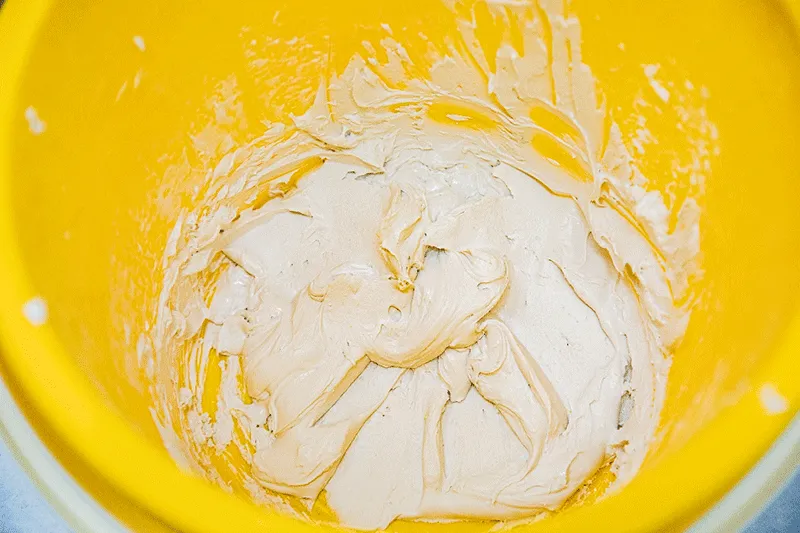
In the ever-evolving construction sector, the choice of materials can significantly impact the quality and efficiency of projects. One such pivotal component is Hydroxypropyl Methylcellulose (HPMC). Distinguished in the construction industry for its versatility and reliability, HPMC is a compound that deserves the spotlight for several compelling reasons. Firstly, HPMC plays a critical role in enhancing the performance of building materials. Its application ranges from serving as a crucial additive in mortar to its influence in tile adhesives and joint fillers. HPMC's unique chemical composition enhances their water retention capacity and workability. This means that when HPMC is added to construction mixes, it helps maintain moisture levels, ensuring the mix remains workable for a longer period. Such a property is invaluable, especially in large-scale projects where timing and precision are paramount. Moreover, professionals in the construction industry have consistently lauded HPMC for its ability to improve the cohesiveness and plasticity of mortars. By preventing segregation of sand and cement, it assures uniform consistency throughout the application. This trait not only streamlines the application process but also guarantees a superior finish, thereby enhancing the overall structural integrity and aesthetic appeal of the construction work. Expertise in employing HPMC correctly can provide construction companies with a competitive edge . It is crucial for practitioners to understand the specific requirements of their projects to tailor the use of HPMC accordingly. For instance, variations in temperature and humidity can affect HPMC's performance, thus necessitating adjustments in formulation to optimize results. This calls for a comprehensive understanding of both environmental conditions and the chemical properties of HPMC, showcasing a blend of expertise and adaptability. construction hpmc In terms of trustworthiness and credibility, HPMC stands out due to its consistent performance across countless projects worldwide. Its stable chemical properties mean that it does not react adversely with other materials, making it a safe choice in various construction scenarios. Construction professionals continue to rely on HPMC's proven track record, highlighting its role not merely as an additive, but as a critical component in delivering durable and high-quality construction outputs. Furthermore, research and development initiatives have continually improved the quality and applications of HPMC in construction. This ongoing innovation is driven by feedback and the practical experiences of industry veterans, ensuring that HPMC adapts to meet new challenges and regulatory standards. As a result, construction professionals can remain confident in its efficacy and can anticipate that HPMC will continue to evolve, delivering solutions that align with emerging construction trends and technologies. To encapsulate the role of HPMC in the construction industry is to acknowledge its foundational contribution to the quality and efficiency of modern building practices. Its benefits are endorsed by both empirical data and the endorsements of industry experts. For construction companies seeking to enhance the quality of their work while optimizing resource allocation, HPMC represents not just a product, but a strategic asset that supports sustainable growth and innovation in an increasingly competitive market.
advantages
-

200000 Viscosities
Excellent product
We can produce pure products up to 200,000 viscosities
-

40000 tons
High yield
We don’t stop production all year round, and the annual output can reach 40,000 tons
-

24 hours
Quality service
We provide 24-hours online reception service, welcome to consult at any time
———— Inquiry Form
Schedule A services

-
 semi_synthetic_fiber
Oct . 25, 2025
The construction industry is continuously evolving, with new innovations and materials that help imp -
 china_factory_rubber_powder
Oct . 25, 2025
Gypsum retarder is an important construction additive, designed to extend the setting time of gypsum -
 serat_pp
Oct . 25, 2025
Hydroxypropyl Methylcellulose (HPMC) has become an indispensable component in various industries due


